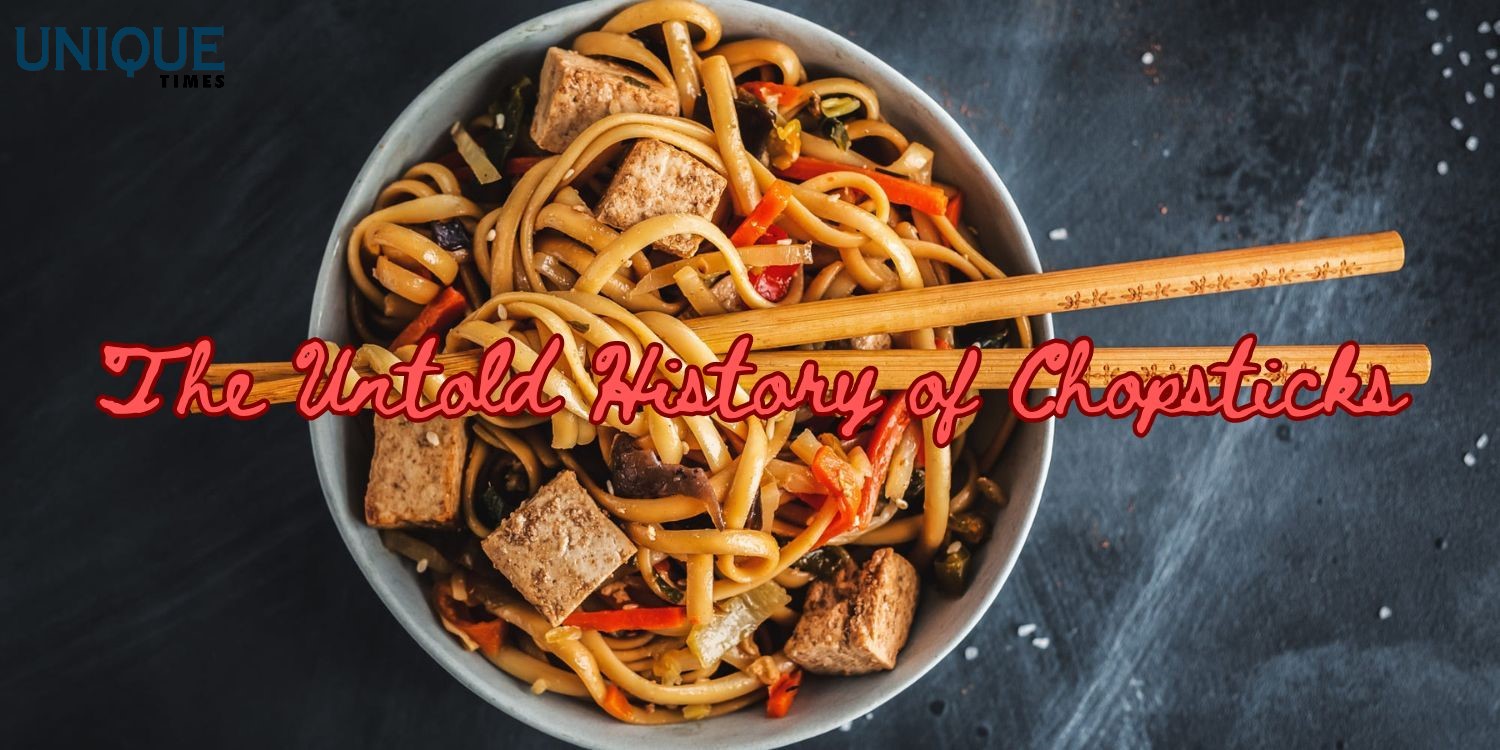
The Global Journey of Chopsticks: Regional Styles & Etiquette Unveiled
From bustling street food stalls in Shanghai to serene sushi bars in Tokyo, and family dinner tables across the globe, chopsticks have transcended their humble origins to become one of the world's most recognized and revered eating utensils. More than just a tool for grasping food, these slender sticks carry centuries of history, culture, and sophisticated etiquette within their design and use. Their journey across continents tells a fascinating story of innovation, cultural exchange, and adaptation, resulting in a rich tapestry of regional styles and practices that continue to evolve today.
The Ancient Roots and Evolutionary Path of Chopsticks
The story of chopsticks begins approximately 5,000 years ago in ancient China. Early evidence from Neolithic sites reveals bone and bamboo sticks primarily used as cooking tools, ideal for retrieving hot ingredients from large cooking vessels – a practical solution for the hot, boiled dishes prevalent during the Shang Dynasty (c. 1600–1046 BCE), which also helped conserve precious fuel. Their initial role was purely utilitarian, aiding in food preparation rather than direct consumption.
It wasn't until the Han Dynasty (206 BCE–220 CE) that chopsticks began their transformation into specialized eating implements. This shift coincided with the rise of wheat-based foods like noodles and dumplings, which were easily handled by sticks. Confucian principles also played a significant role in their widespread adoption. Confucianism advocated for non-violent utensils, viewing knives and other sharp implements at the dining table as barbaric and reminiscent of the slaughterhouse, thus promoting harmony and civility during meals. This philosophical backing solidified their place as the preferred eating tool.
Over centuries, the design of chopsticks evolved from their longer cooking lengths to the more manageable 25–30 cm we commonly see today, perfectly suited for table use. By the Ming Dynasty (1368–1644 CE), with the growth of rice-centric communal dining, they had become the undisputed dominant utensil in China. The materials used also reflected societal status and practical needs. While bamboo and wood remain the most common choices due to their affordability, heat resistance, and disposability, historical luxury versions crafted from ivory, jade, silver, and even gold were once used by the elite to signify status or, in the case of silver, purportedly to detect poisons in their food. For a deeper dive into their rich past, explore Beyond Utensils: The Rich History & Cultural Symbolism of Chopsticks.
A World of Styles: Regional Chopstick Designs
As chopsticks spread across East Asia, they adapted to local cuisines, dining customs, and aesthetic preferences, resulting in distinct regional variations. These differences are not merely cosmetic; they reflect the practical needs of each culture's culinary landscape.
- Chinese Chopsticks: Often made from wood or bamboo, Chinese chopsticks tend to be longer (around 25-30 cm) with blunt or slightly rounded tips. Their length is practical for communal dining, allowing diners to reach across a large table to serve themselves from shared dishes. Their robust design is well-suited for grasping a variety of textures, from slippery noodles to larger pieces of meat and vegetables.
- Japanese Chopsticks (Hashi): In contrast, Japanese chopsticks are typically shorter and feature distinctly pointed tips. Standard lengths are often around 21.5 cm for women and 23.5 cm for men, with unisex options at 22.5 cm. This pointed design offers precision, essential for handling delicate items like raw fish in sushi and sashimi, separating individual grains of sticky rice, or manipulating intricate components of a bento box. Japanese chopsticks are frequently lacquered for durability and aesthetics, and metal versions are also common for cooking tasks.
- Korean Chopsticks (Jeotgarak): Korean chopsticks stand out with their unique flat, rectangular cross-section and are almost exclusively made from stainless steel. Their flat sides provide an excellent grip, preventing them from rolling off the table and making them ideal for handling heavier, often marinated foods and slippery noodles like Japchae. The use of metal also offers superior hygiene and durability, as they are easily washable and resistant to odors and stains, fitting well with the Korean tradition of reusable utensils.
- Other Regions: While China, Japan, and Korea represent the most prominent styles, other cultures like Vietnam also use chopsticks, often favoring bamboo versions that can be slightly longer and thicker than Japanese ones, reflecting their own culinary traditions.
The ideal length for chopsticks is often personal, but a common guideline suggests a length approximately 1.5 times the length of your hand, ensuring comfort and optimal control.
Mastering the Art: Usage, Versatility, and Etiquette
Learning to use chopsticks correctly is a rewarding skill, often taught to children in chopstick-using cultures as young as three. While many people can get food from plate to mouth, mastering the proper technique enhances both efficiency and dining elegance. The basic method involves holding one stick stationary against your thumb and ring finger, while the other stick is maneuvered with your index and middle fingers to pinch and grasp food. This technique allows for remarkable dexterity, transforming chopsticks into incredibly versatile tools.
Indeed, chopsticks are far more than just a substitute for a fork. They can function as a fork, knife, pair of tongs, a whisk for beating eggs, and even a makeshift steamer stand in a wok. Their utility extends beyond just eating; they are invaluable in cooking for stir-frying, serving, mixing salads, and plating delicate garnishes. For a comprehensive guide on achieving proficiency, including step-by-step instructions and video demonstrations, be sure to check out Mastering Chopsticks: A Guide to Proper Use and Versatile Techniques.
Beyond technique, proper chopsticks etiquette is crucial for respectful dining, particularly in East Asian cultures. These unwritten rules are deeply rooted in tradition and cultural symbolism:
- No Sticking Upright in Rice: This is perhaps the most significant taboo. Sticking chopsticks vertically into a bowl of rice resembles incense offered to the deceased at funerals, making it a highly offensive gesture.
- No Pointing: Using your chopsticks to point at people or objects is considered rude and aggressive.
- No Passing Food Directly: Passing food from your chopsticks to another person's chopsticks is strictly avoided as it mimics a funeral ritual where bone fragments are passed between family members after cremation. Instead, place food onto their plate or a serving dish.
- No Tapping or Drumming: Tapping chopsticks on your bowl or plate is akin to begging and is considered poor manners.
- No Digging: Don't use your chopsticks to rummage through food on a communal dish; take what is closest to you.
- No Spearing: While tempting for beginners, spearing food with a single chopstick is generally frowned upon and shows a lack of skill.
- No Waving: Avoid gesturing wildly or waving your chopsticks in the air while speaking.
- Chopstick Rests: When not in use, place your chopsticks neatly on a chopstick rest (hashioki in Japanese) or across the top of your bowl, never directly on the table.
The Cultural Threads and Global Spread
In China, chopsticks, known as kuàizi, carry significant cultural weight. The term phonetically evokes wishes for "quick sons," symbolizing prosperity, harmony, and strong familial bonds. They play roles in various rituals, from wedding ceremonies where they signify unity to ancestor veneration, underscoring their deep integration into the fabric of daily life and spirituality.
The journey of chopsticks beyond China began through historical migration and cultural influence. They reached Japan by the 7th century CE, and spread to Korea and Vietnam under historical rule, eventually making their way into Southeast Asian cuisines. The 20th century witnessed an accelerated global adoption, fueled by the rising popularity of Asian diaspora cuisines worldwide. Today, their widespread use has made them the second most widely used eating tool after hands, a testament to their practicality and cultural significance. Learning to use them not only enhances the dining experience but also serves as a beautiful bridge to understanding and appreciating diverse cultures.
Conclusion
The humble pair of chopsticks represents a remarkable journey from ancient cooking implement to a globally cherished dining utensil. Their evolution showcases human ingenuity, cultural adaptability, and a profound connection to food and tradition. From the communal style of China to the precise elegance of Japan and the robust practicality of Korea, each regional design tells a story unique to its culinary landscape. Beyond their practical utility, chopsticks carry a rich tapestry of symbolism and etiquette, inviting diners worldwide to partake in not just a meal, but a cultural experience. As they continue to bridge culinary divides and foster appreciation for diverse food traditions, chopsticks stand as a timeless symbol of harmony, connection, and the universal joy of sharing a meal.