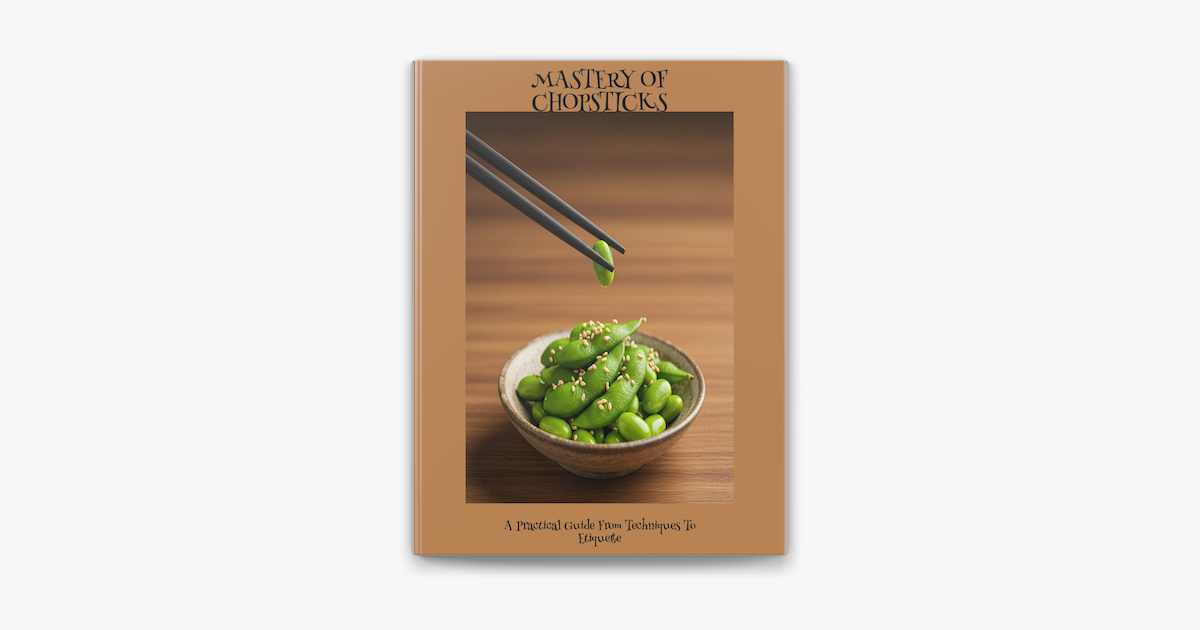
Mastering Chopsticks: A Guide to Proper Use and Versatile Techniques
More than just an eating utensil, chopsticks represent a profound cultural legacy, a symbol of culinary artistry, and a tool of surprising versatility. Originating thousands of years ago in ancient China, these slender sticks have evolved from simple cooking implements into the primary eating tools for billions across East Asia and beyond. While they might seem daunting to the uninitiated, mastering chopsticks is an achievable skill that unlocks a deeper appreciation for diverse cuisines and opens up a world of culinary possibilities. This comprehensive guide will take you from novice to confident user, exploring their rich history, precise handling techniques, and the myriad ways they can enhance your dining experience.
The Enduring Legacy of Chopsticks: A Brief History & Evolution
The story of chopsticks is as ancient as the civilizations that birthed them. Their earliest known use dates back approximately 5,000 years to Neolithic sites in China, where bone and bamboo sticks were employed to retrieve hot food from cooking vessels. This practice, prevalent during the Shang Dynasty (c. 1600–1046 BCE), was a practical response to the need for conserving fuel, as dishes were often boiled and served piping hot.
By the Han Dynasty (206 BCE–220 CE), their purpose began to shift. As wheat-based foods like noodles and dumplings gained popularity, chopsticks became specialized eating utensils. Their adoption was further influenced by Confucian principles, which advocated for non-violent dining practices, subtly favoring implements like chopsticks over knives at the table. Over centuries, their design refined, shortening from their original cooking lengths to the more manageable 25-30 cm we commonly see today. By the Ming Dynasty (1368–1644 CE), amid the rise of rice-centric communal dining, chopsticks solidified their position as the dominant eating tool in China.
From China, the use of chopsticks spread across Asia, carried by cultural exchange, migration, and historical influence. Japan adopted them by the 7th century CE, followed by Korea and Vietnam. Later, their popularity reached Southeast Asia, and with the global expansion of Asian diaspora cuisines in the 20th century, chopsticks became the second most widely used eating tool worldwide, surpassed only by hands. To delve deeper into their fascinating journey and symbolic meanings, read our article: Beyond Utensils: The Rich History & Cultural Symbolism of Chopsticks.
Mastering the Grip: Your Step-by-Step Guide to Proper Chopstick Use
Many people can get food from plate to mouth with chopsticks, but using them "correctly" involves a specific grip that maximizes control, precision, and comfort. This method allows for the full range of chopstick versatility, from delicately picking up a single grain of rice to adeptly handling slippery noodles. Forget spearing food – that’s a rookie mistake that limits your culinary adventures!
- The Stationary Stick (Bottom Chopstick):
- Hold your dominant hand loosely; tension leads to fatigue.
- Place one chopstick (the stationary one) in the hollow between your thumb and index finger.
- Rest its lower end on your ring finger (or the base of your pinky, depending on hand size) and its upper end against the side of your thumb. This stick should be fixed and not move.
- Ensure it's secure but not tightly gripped, allowing the top chopstick freedom to move.
- The Moving Stick (Top Chopstick):
- Pick up the second chopstick as you would a pen or pencil.
- Rest it on the tip of your middle finger and the pad of your index finger.
- Your thumb should brace the side of this stick, giving you control.
- Practice moving just this top chopstick up and down, pivoting it using your index and middle fingers, while the bottom chopstick remains still.
- The Pinch & Lift:
- Bring the tips of both chopsticks together by flexing your index and middle fingers.
- Practice picking up small, easy items first, like a grape, a piece of tofu, or a larger noodle.
- The goal is to pinch the food securely between the tips of both chopsticks.
Expert Tip for Beginners: Don't clench! A relaxed hand is key. If your hand starts to cramp, take a break. Many chopstick-using cultures introduce this skill to children as young as three, highlighting that it's a learned motor skill that improves with practice. Start with larger, less slippery foods and gradually work your way up to more challenging items.
Beyond the Basics: Advanced Techniques & Versatile Uses
Once you've mastered the basic grip, you'll discover why many consider chopsticks the most versatile eating utensil ever. They are, in essence, a fork, a knife, a pair of tongs, and even a whisk, all rolled into one.
- Handling Noodles: For long strands like ramen or pho, use your chopsticks to gather a manageable amount, then lift and twirl them around the tips before bringing them to your mouth.
- Managing Rice: With sticky rice, it's fairly easy to gather clumps. For looser grains, apply a gentle squeezing motion to form a small ball, or scoop it up with the side of the chopstick tips, using your bowl as a leverage point.
- Slicing & Tearing: For larger, soft pieces of food, like a fish fillet or a tender vegetable, you can often use the edge of one chopstick against the other to gently slice or tear it into bite-sized portions.
- Mixing & Stirring: Chopsticks are excellent for whisking eggs, stirring sauces, or mixing ingredients in a bowl. Their slender design allows for thorough incorporation without overworking.
- Serving: Use them as elegant tongs to pick up and serve dishes from a communal platter, ensuring hygienic and graceful sharing.
- Creative Kitchen Hacks: In a pinch, they can hold a dish above water in a wok for steaming, retrieve small items from hot oil, or even test the doneness of baked goods by inserting a tip.
The beauty of chopsticks lies in their simplicity and the incredible dexterity they allow. With practice, you'll find yourself intuitively adapting your grip and technique to almost any food item.
Choosing Your Perfect Pair: Materials, Styles & Cultural Nuances
The world of chopsticks is diverse, with variations in material, length, and tip design reflecting regional cuisines and cultural practices.
- Materials:
- Bamboo & Wood: The most common choices due to their affordability, heat resistance, and pleasant grip. They are lightweight and often disposable in modern contexts.
- Stainless Steel: Popular in Korea, these chopsticks are durable, hygienic, and have flat sides for a better grip on heavier foods like kimchi, and for cutting tougher items.
- Lacquered Wood: Often found in Japan, these offer beautiful aesthetics and a smooth finish, though they can be slippery.
- Luxury Materials: Historically, ivory, jade, silver, and gold were used by the elite to signify status, and sometimes silver was believed to detect poisons.
- Regional Styles:
- Japanese Chopsticks: Typically shorter (around 21.5 cm for women, 23.5 cm for men, with unisex options around 22.5 cm) and often pointed. This design is ideal for the precise handling of sticky rice, delicate seafood, and intricate bento box items.
- Korean Chopsticks: Distinctively made from stainless steel, they are usually flat-sided for enhanced grip and durability, reflecting a cuisine that often involves heavier, more substantial dishes.
- Chinese Chopsticks: Generally longer (around 25-30 cm) and often made of bamboo or wood, they are well-suited for reaching dishes across a communal table, which is a staple of Chinese dining.
- Personal Fit: The ideal length often depends on your hand size – a good rule of thumb is approximately 1.5 times the length of your hand from wrist to fingertip. Experiment with different materials and lengths to find what feels most comfortable and effective for you.
Proper care, whether handwashing reusable wooden chopsticks or dishwasher-safe steel ones, ensures their longevity and hygiene.
The Etiquette of the Table: Navigating Chopstick Culture with Grace
Beyond their practical use, chopsticks carry deep cultural significance. In China, the term kuàizi phonetically evokes wishes for "quick sons," symbolizing harmony, prosperity, and familial bonds. They feature in rituals, including weddings and ancestor veneration.
To dine with grace and respect, be mindful of common etiquette rules:
- No Sticking Upright: Never stick your chopsticks vertically into a bowl of rice. This practice resembles incense offered at funerals and is considered highly disrespectful.
- No Pointing: Avoid pointing at people or dishes with your chopsticks.
- No Passing Food Directly: Do not pass food directly from one pair of chopsticks to another; this is reminiscent of a funeral ritual and is considered taboo.
- No Drumming: Do not tap your chopsticks on the table or bowl; it's considered impolite.
- Serving Etiquette: When taking food from a communal dish, use the opposite end of your chopsticks or a dedicated serving utensil.
- Resting: When not in use, place your chopsticks on a chopstick rest (hashioki in Japan) or across the top of your bowl, never piercing food or resting them in a way that blocks others.
Understanding and respecting these traditions enhances your dining experience and shows appreciation for the culture you are engaging with. For a deeper dive into regional styles and specific etiquette guidelines from around the world, explore our article: The Global Journey of Chopsticks: Regional Styles & Etiquette Unveiled.
From their ancient origins as humble cooking tools to their modern-day role as a versatile and culturally significant utensil, chopsticks offer a unique bridge to East Asian culinary traditions. Mastering their use is a rewarding journey that transcends mere functionality, inviting you to engage more deeply with your food and the rich heritage it represents. With a bit of patience, practice, and respect for their cultural nuances, you'll soon be navigating any Asian meal with confidence and grace.